
 616.942.1990
 Grand Rapids, MI
 616.942.1990
 Grand Rapids, MI


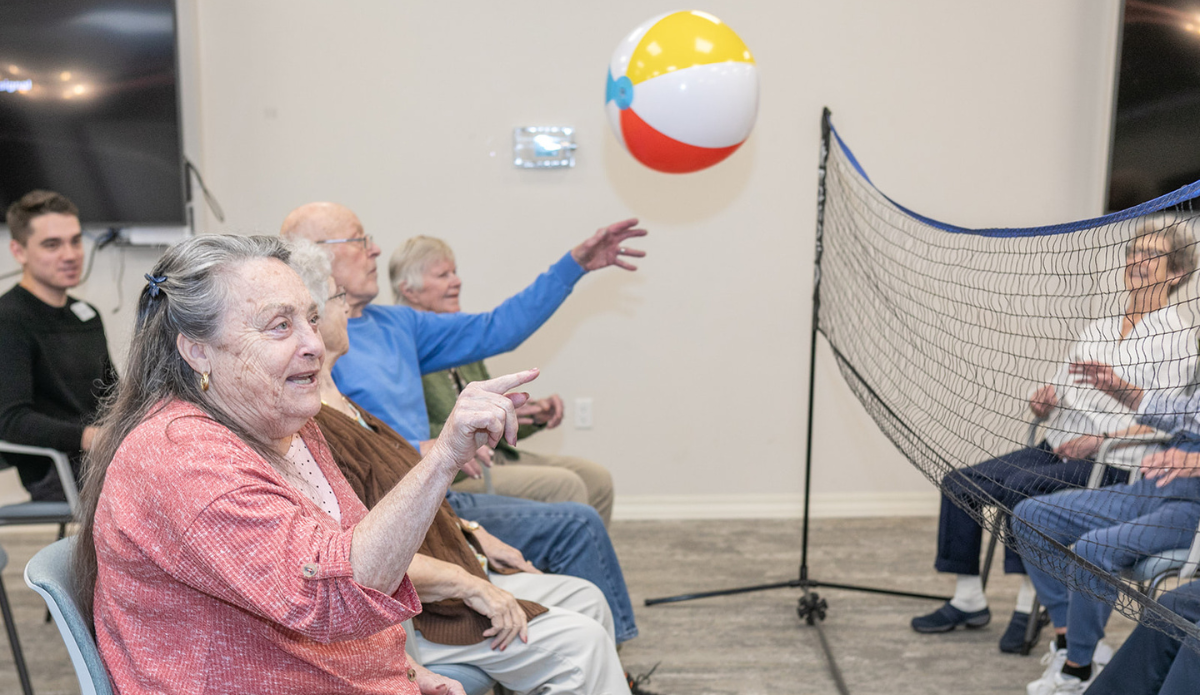
Assisted living activities for seniors include social, creative, physical, recreational, reflective, and community-based experiences. A well-rounded program gives residents meaningful ways to connect with others, express themselves, stay involved in familiar interests, and explore new ones while choosing how they want to spend their time.
At The Village of Heather Hills in Grand Rapids, daily life includes activities ranging from trivia and creative workshops to live music, movement classes, and local outings. Knowing what makes these opportunities meaningful can help you look beyond the number of events on a calendar and focus on personal fit.
What Makes an Assisted Living Activity Meaningful?
A meaningful activity gives a resident a reason to participate beyond simply filling an open hour. It may reflect a long-held interest, provide a chance to make something, encourage conversation, or introduce a new experience. The National Institute on Aging explains that enjoyable hobbies and social activities can support healthy aging and help older adults remain connected.
You can think about purposeful senior activities through six simple elements:
- Connect: Spend time with others through shared interests and experiences.
- Create: Make, design, decorate, or express an original idea.
- Move: Take part in physical activity suited to personal abilities.
- Think: Join trivia, games, workshops, and thoughtful discussions.
- Express: Share ideas, music, stories, or personal talents.
- Explore: Experience new settings, local attractions, and fresh topics.
One activity can meet several of these needs. Choir practice can support both connection and expression, while a museum trip can bring together learning, exploration, and social time.
Assisted Living Activities for Different Interests and Lifestyles
The best activity choices depend on what a person genuinely enjoys. Someone who loves conversation might look forward to a discussion group, while another resident could feel more at home during a craft session or movie. Variety matters because no single type of event will appeal to every personality, routine, or preferred level of participation.
Creative Activities and Hands-On Projects
Arts and crafts for seniors in assisted living can provide a clear beginning, a hands-on process, and something finished to enjoy or share. Arts and craft sessions, creative workshops, and seasonal projects give residents opportunities to work with ideas and materials at their own pace. Creative activities often feel familiar to someone who has always enjoyed making decorations, working on personal projects, or learning new techniques.
Games, Trivia, and Friendly Group Activities
Senior trivia games, Jeopardy-style competitions, bingo, and game nights bring structure to social time. The subject of the game and the size of the group can make a difference, so families should look for choices that match the resident’s interests and comfort level. Someone who enjoys friendly competition might choose a lively trivia game, while another person might prefer a more relaxed game night.
Music, Movies, and Shared Entertainment
Live music performances, choir practice, musical expression, non-denominational music services, and weekly movie screenings offer several ways to participate. Residents can sing with a group, listen to a performance, or enjoy watching a film together. The National Institute on Aging reports that research into music and other creative activities has shown promise for supporting quality of life in older adults.
Movement and Active Participation
Exercise and movement classes provide a scheduled opportunity to be active, although their frequency and intensity can vary. Separately, the CDC recommends that adults age 65 and older work toward at least 150 minutes of moderate-intensity aerobic activity each week, along with muscle-strengthening and balance activities, when appropriate for their health and abilities. Its physical activity guidance for older adults also emphasizes that some activity is better than none.
A community activity calendar does not replace personal medical guidance. Residents and families can ask how movement classes are structured and whether the pace and format match the person’s needs.
Social Gatherings and Celebrations
Happy hour socials, themed seasonal events, holiday celebrations, and community programs can add anticipation to the week. Shared gathering spaces also give residents and visitors places to spend time together outside formal activities. These options matter because some people enjoy large celebrations, while others connect more naturally through smaller or more familiar gatherings.
Outings, Gardens, and Local Experiences
Trips to museums, historical sites, greenhouses, gardens, and other local attractions offer a change of setting. On-site transportation can make these experiences easier to access while also supporting trips to appointments. Outings can matter to someone who has always enjoyed staying connected with the wider community.
For a broader look at how programs, shared spaces, transportation, and services shape an ordinary week, explore senior living amenities that support daily life.

Matching Activities to the Resident, Not Just the Calendar
A full calendar only becomes valuable when its choices reflect the resident. Before comparing senior community activities, think about how your family member prefers to spend time, how much structure they enjoy, and whether they tend to participate actively or observe before joining.
A simple interest-matching exercise can make the comparison more personal:
- Activities the resident already enjoys
- Experiences they might be willing to try
- Activities or group settings, they usually avoid
You may also want to consider whether the person prefers small groups, lively events, creative projects, familiar routines, or occasional outings. The Lifestyle Assessment can help you think more carefully about routines, interests, and preferences as you explore senior living choices.
How to Read an Assisted Living Activities Calendar
A useful assisted living activities calendar balances consistency with variety. It should include familiar recurring programs, different ways to participate, and enough choice for residents to follow their interests without feeling that every day looks the same.
The table below can help you examine more than the total number of events.
| Calendar Feature | What to Look For | Why It Matters |
| Variety | Creative, social, musical, active, and relaxed options | Different residents enjoy different experiences |
| Choice | More than one type of activity across the week | Residents can make decisions about their personal time |
| Participation style | Active, conversational, creative, and observational options | Not everyone wants to join in the same way |
| Recurring programs | Familiar weekly activities | Regular programs can give the week a comfortable rhythm |
| Special events | Seasonal celebrations and themed gatherings | These add variety and something to anticipate |
| Outings | Trips beyond the community | Residents can experience new settings and local destinations |
| Social settings | Small groups, larger events, and shared spaces | People can connect in ways that suit their preferences |
Event names should also be clear enough to help residents understand what to expect. A current calendar is more useful than a general list because schedules and individual programs can change.
Questions to Ask About Senior Community Activities
Good questions can reveal whether an activity program fits the person, not just whether events are available. Bring a few questions to a conversation or community visit so you can understand how the calendar works in daily life.
Consider asking:
- May we review a current activities calendar?
- Which programs take place every week?
- Are residents able to suggest new activities?
- What choices are available for someone who prefers smaller groups?
- Can we observe an activity during our visit?
You may also ask how new residents learn about programs, where activities are held, and what types of outings are currently offered. These practical details can help you picture whether your family member would feel interested, comfortable, and able to take part.
How Activities Connect With the Rest of Assisted Living
Activities are one part of the resident’s wider daily experience. Access to shared spaces, transportation, meals, personal support, and wellness services can all affect how easily someone follows a routine and participates in community life.
At The Village of Heather Hills, assisted living includes 24/7 wellness staff and care aides, medication assistance, wellness checks, and an emergency response pendant system. Community gathering spaces, activity rooms, and social areas provide places for programs and visits, while transportation supports appointments and local outings. Chef-prepared meals served three times a day also help create a dependable daily rhythm.
The community offers both Independent Living and Assisted Living, so families can consider lifestyle preferences alongside the level of support a person may need. The Care Assessment can provide a useful next step when you are trying to connect daily interests with care needs.
Purposeful Activities at The Village of Heather Hills
The Village of Heather Hills, located at 1055 Forest Hill Ave SE in Grand Rapids, offers creative, social, musical, recreational, and community-based experiences. Residents can take part in arts and craft sessions, creative workshops, choir practice, musical expression, live performances, Jeopardy-style trivia games, bingo, game nights, discussion groups, movement classes, garden trips, local outings, movie screenings, social gatherings, music services, and seasonal celebrations. The community’s amenities and shared spaces support these programs as well as visits with family and friends.
An activities list can tell you what is available, but a visit can help you understand the atmosphere, spaces, and current schedule. You can schedule a personal visit to ask about upcoming programs and see whether the community’s daily life fits your interests or those of your family member.
Frequently Asked Questions
What kind of activities do assisted living facilities offer?
Assisted living facilities may offer social, creative, physical, recreational, musical, reflective, and community-based activities. Examples include arts and crafts, trivia, games, exercise classes, music, movies, discussion groups, seasonal events, and local outings. Programs vary by community and may change throughout the year. Ask to see a current activities calendar when comparing your options.
What activities are good for seniors in care homes?
Good activities reflect the resident’s interests, abilities, routines, and preferred way of participating. Crafts, music, senior trivia games, movement classes, movies, discussions, garden trips, and social events can all be suitable choices. A person who enjoys small groups might prefer a different setting from someone who likes large celebrations. The best fit is an activity the resident finds interesting, comfortable, and personally worthwhile.
What are some fun senior activities?
Fun senior activities can include Jeopardy-style trivia, bingo, game nights, arts and crafts, live music, choir, movie screenings, happy hour socials, and seasonal celebrations. Exercise classes and trips to museums, gardens, historical sites, and other attractions can also add variety. What feels enjoyable depends on the person’s interests and preferred pace. A varied calendar makes it easier to find familiar favorites and try something new.
What are the 6 daily activities for long-term care?
The phrase “six daily activities” often refers to a care-related concept, not a list of recreational programs. Families exploring daily community life should look at personal support, meals, wellness services, movement, social opportunities, and meaningful engagement. These areas can shape a resident’s routine, but the exact schedule and level of assistance will depend on individual needs. Ask the community how daily support and activities work together for each resident.
Both my Aunt and Mom lived at Heather Hills during their final years. Both were treated with respect, love and dignity. This place isn’t a facility, it is a family! It has been over a year since we have had a family member there, but we have lifetime friends we made at Heather Hills. I am so glad we made the right decision in choosing Heather Hills!
Family of Resident