616.942.1990
 Grand Rapids, MI
 616.942.1990
 Grand Rapids, MI


Senior trivia games are question-based activities shaped around older adults’ interests, experiences, and participation needs. The most enjoyable games use familiar themes, a comfortable pace, readable materials, and team play to encourage conversation, shared memories, laughter, and connection without making anyone feel tested.
Trivia may invite recall and conversation, but it should not be presented as a treatment or a guaranteed way to improve memory. It can work well during a family visit, small gathering, or a senior community event. At The Village of Heather Hills in Grand Rapids, trivia is one of several ways residents can spend time together and explore shared interests.
What Makes Senior Trivia Games Enjoyable and Inclusive?
The best senior trivia games give people several ways to take part. Someone may know the answer, help a teammate, recognize a song, or tell a story that the question brings to mind. The experience can still feel successful even when nobody remembers the exact fact.
That social element matters. A friendly group game can create a natural reason to gather, talk, and enjoy time with others without making the activity feel formal or demanding.
Familiar Subjects Invite Participation
Questions about music, films, travel, food, traditions, history, and familiar places can make it easier for people to join the conversation. Choose topics based on the group’s actual interests, not assumptions about what people of a certain age should know.
A Welcoming Format Matters More Than Difficult Questions
A game filled with obscure facts may discourage people who would otherwise enjoy participating. Use a blend of approachable questions and thoughtful challenges, with clues available when the group needs them.
Trivia Can Create More Than a Question-and-Answer Session
A music question may lead to singing. A food question may bring up a family recipe. A local-history prompt may start a conversation about a familiar place.
For more ideas about how shared spaces, programs, and everyday services can shape community life, explore senior living amenities that support daily routines.
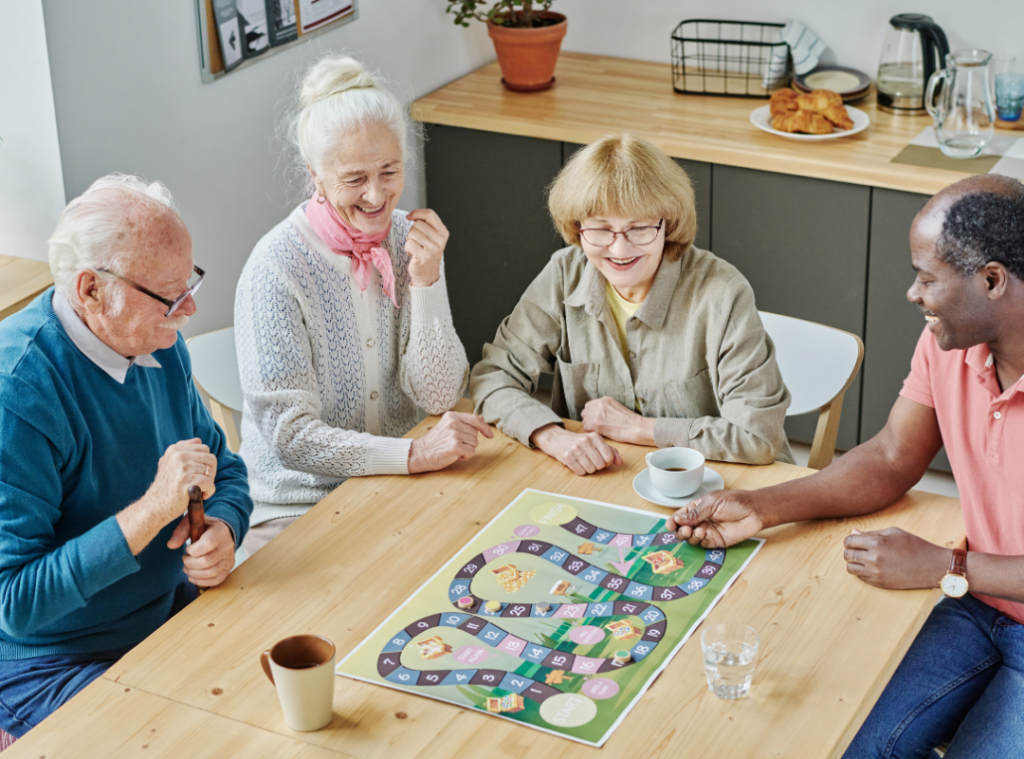
7 Senior Trivia Games for Different Interests and Group Sizes
Senior trivia can take many forms. The right choice depends on the number of players, their interests, and whether they prefer individual answers, teamwork, music, visual clues, or open conversation.
Jeopardy-Style Team Trivia
Create several categories with questions assigned different point values. Small teams can talk through each answer before responding, which gives quieter participants time to contribute. The Village of Heather Hills includes Jeopardy-style trivia games among its community activities.
Name That Tune
Play or describe a familiar song and ask participants to name the title, performer, or musical style. You can also read part of a song title and ask players to complete it. This format pairs naturally with senior choir, musical expression, and live music activities.
20 Questions
One person chooses a person, place, animal, or object. Other players ask up to 20 questions that can be answered with “yes” or “no” until they identify the answer. The game needs little preparation and can work well for a family visit or a small group.
Finish the Phrase or Saying
Begin a familiar saying, movie title, song title, or seasonal phrase and invite players to complete it. Use a range of subjects so the game does not depend on one narrow cultural experience or time period.
Picture or Object Trivia
Show a recognizable picture or object and ask participants to identify it, describe its use, or connect it to a theme. Visual prompts can make the game feel more conversational and give players another way to engage beyond reading or listening to a question.
Local History Trivia
Create verified questions about Grand Rapids, Michigan, familiar landmarks, regional history, museums, or local attractions. Local topics can encourage people to share what they remember about a place, even when they do not know the exact answer.
Seasonal and Holiday Trivia
Build rounds around seasons, traditions, songs, foods, or celebrations. Seasonal trivia can fit naturally into holiday gatherings and themed senior community events while giving families and residents a familiar starting point for conversation.
Which Trivia Format Fits Your Group?
Choose a format that fits the people in the room, not simply the game that requires the least preparation. Group size, interests, reading preferences, hearing needs, and comfort with competition can all shape the experience.
| Trivia format | Works well for | Participation style | Preparation level | Possible companion activity |
| Jeopardy-style trivia | Medium or larger groups | Teams | Moderate | Discussion group |
| Name That Tune | Music-focused groups | Individual or team | Moderate | Choir or live music |
| 20 Questions | Families or small groups | Collaborative guessing | Low | Conversation activity |
| Finish the Phrase | Informal gatherings | Call-and-response | Low | Story sharing |
| Picture or Object Trivia | Groups that enjoy visual prompts | Individual or team | Moderate | Creative workshop |
| Local History Trivia | People with local interests | Discussion-based | Moderate | Museum or historical-site trip |
| Seasonal Trivia | Holiday or themed gatherings | Flexible | Low to moderate | Seasonal event |
A simple way to choose is to use the INTEREST framework:
- Interests: Which topics does the group enjoy?
- Number: How many people will play?
- Team preference: Would teams make participation easier?
- Ease of access: Would spoken questions or large print help?
- Rhythm: What pace and session length feel comfortable?
- Experience: Are the topics familiar without being too narrow?
- Social goal: Is the aim conversation, teamwork, or friendly competition?
- Theme: Could the game connect with music, crafts, outings, or an event?
The framework helps you plan around the people taking part. It also makes it easier to adjust the game when the group’s energy or interests change.
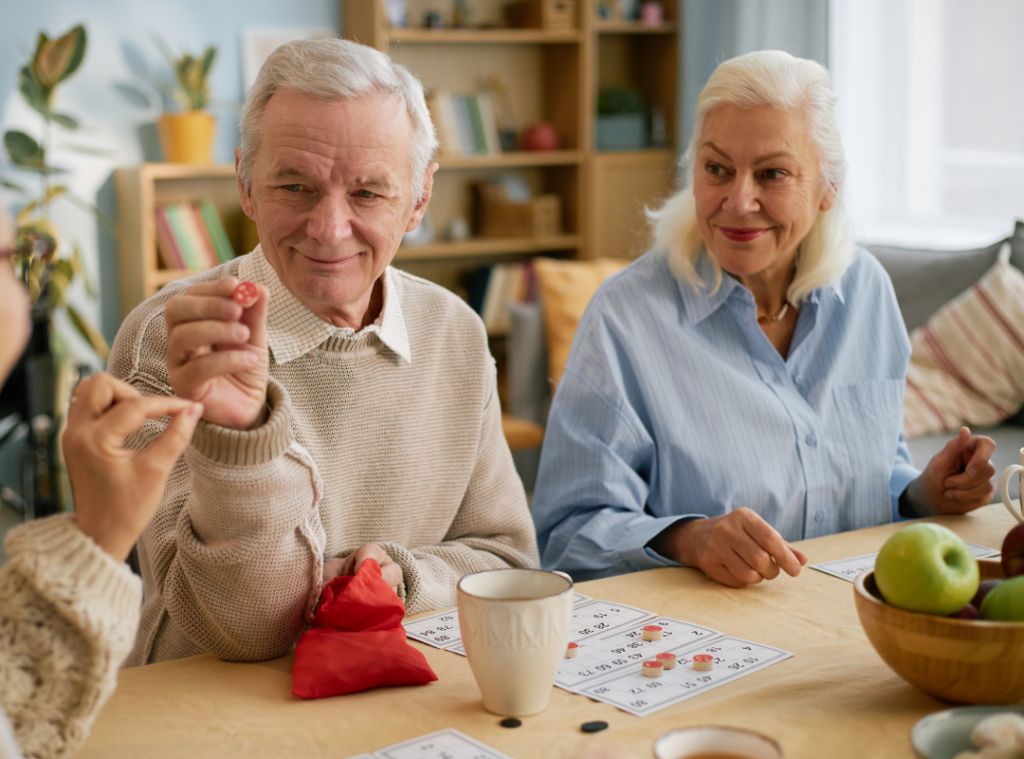
Trivia Questions and Themes Older Adults Can Enjoy
Good trivia themes for older adults can include music, films, television, history, geography, food, traditions, notable people, local places, and seasonal celebrations. Age alone should not determine the topics. Two people in their 80s may have completely different interests, careers, hometowns, and favorite forms of entertainment.
The Alzheimer’s Association includes continuing to learn, challenging the mind, staying active, and remaining socially engaged among its healthy habits for the brain. Trivia can offer an enjoyable way to explore familiar knowledge, but it should not be presented as a way to prevent, reverse, or treat memory loss.
Music Across Different Decades
Ask players to identify a singer, complete a song title, name a musical style, or place a song within a broad period. Mix different types of music and invite participants to suggest categories for future games.
Movies, Television, and Entertainment
Questions may cover actors, characters, titles, genres, or famous settings. Avoid building an entire round around one program or decade unless you know the group shares that interest.
History and Well-Known Events
Use clearly worded questions about verified people, places, inventions, and events. Check names, dates, and answers before the session so participants are not left debating an inaccurate question.
Geography, Travel, and Notable Places
Ask about states, countries, capitals, landmarks, or well-known destinations. These prompts may also lead people to talk about places they have visited or would still enjoy learning about.
Food, Traditions, and Seasonal Celebrations
Food and tradition questions often invite personal stories. A correct answer can become a starting point for discussing recipes, family celebrations, regional dishes, or holiday memories.
Grand Rapids and Michigan Themes
Verified questions about Grand Rapids and Michigan can make the game feel more locally relevant. Museums, historical places, gardens, and regional attractions can also provide themes before or after a community outing.
What are good trivia topics for adults in their 80s? Good choices include music, movies, television, history, geography, food traditions, local places, notable people, and seasonal celebrations. Select topics around each person’s interests rather than age alone, then blend familiar prompts with a few thoughtful challenges.
How to Make Trivia Fun Without Making It Feel Like a Test
Trivia becomes more enjoyable when people feel free to participate without pressure. The goal is not to measure memory or identify who knows the most. It is to create an experience people want to continue.
Start by asking participants which subjects they enjoy. Use small teams when individual answers may feel uncomfortable, and read every question aloud at a relaxed pace. Written questions should be clear and easy to see when displayed.
| Instead of | Try |
| Correcting every wrong answer immediately | Offer a clue or invite team discussion |
| Using questions from only one decade | Mix topics and ask for category ideas |
| Making the score the main focus | Recognize teamwork and participation |
| Reading questions quickly | Leave time for thought and conversation |
| Calling on people unexpectedly | Welcome, voluntary or team answers |
Mix easier questions with moderate challenges so players can build confidence without losing interest. When a prompt leads to a story or lively discussion, let the conversation breathe before moving to the next question.
Watch the group as the game continues. You may need to shorten a round, offer more clues, change the subject, or switch to music or picture trivia. Ending while people are still engaged often leaves them looking forward to the next session.
Turn Trivia Into a Broader Social Experience
Trivia can be more meaningful when it connects with other interests. A question does not need to end when the answer is revealed. It can open the door to music, art, storytelling, local outings, or seasonal activities.
Pair Music Trivia With Choir or Musical Expression
A Name That Tune round may lead naturally into singing or talking about favorite performers. For someone who enjoys senior choir, live performances, or musical expression, this type of trivia can feel less like a formal game and more like a shared music experience.
Connect Creative Themes With Arts and Crafts
Arts and crafts for seniors in assisted living can complement trivia themes. Seasonal questions may inspire a later creative session, while art or travel trivia can introduce a workshop or discussion topic.
Build Trivia Into Senior Community Events
Trivia can add variety to game nights, happy hour socials, seasonal gatherings, holiday celebrations, weekly movie screenings, or discussion groups. It works especially well when the subject matches the event, and guests can join without needing to prepare.
Extend Local Trivia Throughout Outings
Questions about museums, historic places, gardens, or area attractions can spark interest before an outing and conversation afterward. The relationship is simple:
Resident interests → trivia theme → companion activity → social interaction → stronger participation in community life
The National Institute on Aging notes that staying connected through social activities and community programs can help reduce isolation and may support cognitive health, although evidence for lasting cognitive effects from specific activities is not definitive. Broader public-health research also shows why social connection deserves attention. The U.S. Surgeon General reports that poor social relationships, isolation, and loneliness are associated with a 29% higher risk of heart disease and a 32% higher risk of stroke.
You can also review the community’s amenities and lifestyle activities to see how social spaces, programs, and outings may fit a person’s preferred routine.
A Simple Plan for Hosting a Senior Trivia Session
A successful session begins with a clear theme and a flexible plan. You do not need an elaborate setup, but you should prepare enough material to keep the game moving without rushing participants.
Step 1: Choose One Clear Theme
Pick a subject the group is likely to recognize and enjoy, such as music, food, local places, films, or seasonal traditions.
Step 2: Prepare a Balanced Set of Questions
Use a mix of approachable prompts and moderate challenges. Add optional clues for questions that may need an extra hint.
Step 3: Decide Between Individual and Team Play
Individual play may suit a small, confident group. Teams often feel more social and allow people to combine different knowledge and interests.
Step 4: Prepare Readable and Spoken Materials
Read questions aloud and provide clearly displayed text when useful. Keep wording short so participants can focus on the subject instead of untangling the question.
Step 5: Explain the Rules Simply
Describe the format in a few sentences and demonstrate one practice question. Simple rules help the group start playing without a long explanation.
Step 6: Encourage Conversation Between Rounds
A few open prompts can turn a fact into a meaningful exchange:
- “Does this bring back a memory?”
- “Has anyone visited that place?”
- “What other songs do you remember by that performer?”
Step 7: End While the Group Is Still Engaged
Close with a favorite category, a light final question, or an invitation to suggest the next theme. A shorter, enjoyable game is often more memorable than a long session that loses energy.
How Engaging Activities Shape Daily Life at The Village of Heather Hills
Meaningful activities can help residents keep familiar interests in their routine while discovering new ways to connect. The Village of Heather Hills offers Independent Living and Assisted Living in Grand Rapids, along with gathering spaces, activity rooms, and social areas for events, programs, and visits.
Community activities include Jeopardy-style trivia games, live music performances, choir practice, arts and craft sessions, bingo and game nights, weekly movie screenings, creative workshops, discussion groups, movement classes, happy hour socials, and seasonal celebrations. Trips to museums, historical sites, gardens, and other local attractions provide additional opportunities to explore shared interests. Readers who want to think more closely about which activities and community features suit their preferences can use the Lifestyle Assessment.
The best senior trivia games are not defined by the hardest questions or highest scores. They are shaped by the people playing, the interests they bring, and whether the experience leaves room for teamwork, stories, humor, and connection.
If you are exploring senior living in Grand Rapids, you can schedule a tour to see the community spaces and learn how activities fit into daily life. You may also explore floor plans and residence options or contact the community with questions about Independent Living and Assisted Living.
Frequently Asked Questions
What Are Some Fun Games for Senior Citizens?
Fun games for senior citizens can include trivia, Jeopardy-style games, Name That Tune, 20 Questions, bingo, movie-themed games, arts and crafts, and group discussions. The best choice depends on the person’s interests and preferred way of participating. Some people enjoy friendly competition, while others prefer team games or open conversation. A simple format with clear instructions often works best.
What Are Some Trivia Questions for 80 Year Olds?
Good questions might include, “What is the capital of Michigan?” “Which planet is known as the Red Planet?” or “What holiday is celebrated on December 25?” Choose questions around personal interests rather than assuming everyone of the same age shares identical memories. Mix familiar prompts with a few moderate challenges. Offer clues when a question begins to feel frustrating.
How Do You Make Trivia Fun for Seniors?
Make trivia fun by choosing familiar themes, mixing difficulty levels, using teams, and keeping the pace comfortable. Read questions aloud and provide clear written text when useful. Allow time for stories and conversation instead of focusing only on the score. Celebrate participation, creative guesses, and teamwork as much as correct answers.
What Is the 20 Questions Game for Seniors?
In 20 Questions, one person chooses a person, place, object, or animal without revealing it. The other players ask up to 20 questions that can be answered with “yes” or “no.” They use the answers to narrow down the possibilities and identify the mystery subject. The game requires little preparation and works well for families or small groups.
Both my Aunt and Mom lived at Heather Hills during their final years. Both were treated with respect, love and dignity. This place isn’t a facility, it is a family! It has been over a year since we have had a family member there, but we have lifetime friends we made at Heather Hills. I am so glad we made the right decision in choosing Heather Hills!
Family of Resident